ServicesWall Repair
Wall Repair in Garfield
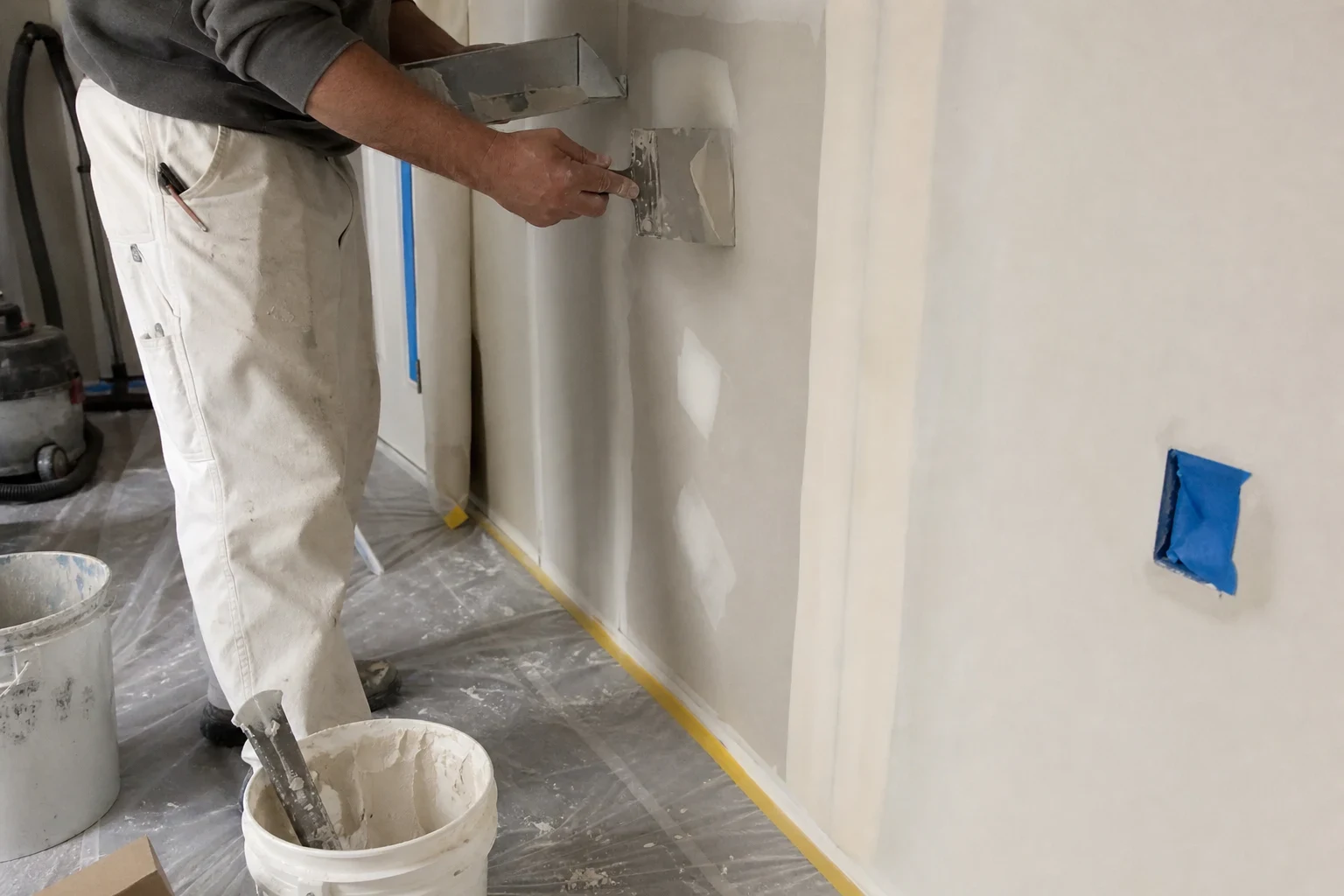
We repair cracked, dented and broken walls in your home, whether they are drywall or older plaster. Each repair is built up in thin coats, sanded smooth and texture matched to the wall around it, and we check back after the job to see how it is holding.
When a Wall Needs More Than Filler
Wall repair covers the damage that collects on vertical surfaces over the years: doorknob holes, cracks running off window corners, crushed corner bead, tape lifting at a seam, and gouges from moving furniture. A tub of spackle hides some of it for a while. Most of it comes back because the cause underneath was never dealt with.
We start by finding out why the wall failed. A crack over a doorway that keeps reopening needs mesh tape and a setting compound, not another skim of lightweight filler. A hole with crumbling edges needs solid backing before any compound goes on. Many homes around Garfield also have plaster walls, which we repair with materials that bond to plaster instead of fighting it.
If the damage turns out to be wider, such as a whole section that needs replacing, we will say so and explain how drywall repair or drywall hanging would handle it.
What Our Wall Repair Includes
- Assessment of the cause
- We look at the edges of the damage, test for loose material and check whether a crack is moving. That tells us which tape, backing and compound will last.
- Cutting back to sound material
- Soft, torn or crumbling edges are cut away until we reach a firm wall. New compound only holds as well as what it sits on.
- Backing, tape and setting compound
- Larger openings get a backer or a fitted drywall piece. Cracks and seams get fresh tape bedded in setting compound, which cures harder and shrinks less than premixed mud.
- Feathered coats and sanding
- We apply several thin coats, each wider than the last, then sand by hand so the repair fades into the wall rather than standing proud of it.
- Texture matching
- Smooth, light orange peel or the subtle grain of old plaster are matched so the repair does not catch the light differently.
- Primer and paint touch-up
- The repair is primed so it does not flash through paint. If you have the original color, we can do a paint touch-up over the area as well.
Signs Your Walls Are Due for Repair
Cracks that return
A crack you have filled before and can see again usually means the joint is flexing. It needs reinforcement, not more filler.
Bubbling or lifting tape
Tape that blisters along a seam has lost its bond. Left alone, it peels and leaves a long, visible line.
Holes behind doors
A doorknob or handle that has broken through leaves a hollow opening that gets larger with every bump.
Dented or cracked corners
Outside corners take a lot of knocks. Crushed metal bead or split paper-faced corners show sharply once the paint chips.
Stains or soft spots
A brown ring or a spot that gives under your thumb points to past moisture. Once the source has been fixed, that section should be cut out and replaced.
How a Wall Repair Day Runs
- 1
A conversation by phone
You tell us what the wall looks like, how many areas there are and roughly how long the damage has been there. We set a time that works around your household.
- 2
Protecting the room
We lay drop cloths, cover nearby furniture and seal off the work area where sanding dust could travel. Floors and belongings stay covered until we leave.
- 3
Repair and drying time
Backing, tape and the first coats go on, then each coat needs time to set. Small repairs can often be finished in one visit, while deeper ones may need a second trip for final coats and sanding.
- 4
Finish and cleanup
We sand, match the texture, prime and touch up where agreed. Dust is vacuumed from surfaces and floors so you get your room back clean.
- 5
Our check-in afterward
A few weeks later we follow up to ask how the repair looks in daily light and through a change in season. We also leave simple care advice, like how long to wait before hanging anything heavy on the patched area.
What Shapes the Cost of Wall Repair
Wall repair is priced by the work the damage actually needs, not by a flat number per hole. Once we have seen the walls, we explain what each area involves before any work begins. A few things move the price more than others.
- Number and size of repairs
- Several small dings in one room take less time per area than scattered holes across a house. Larger openings need backing and more coats.
- Drywall or plaster
- Plaster often needs bonding agents, extra fill depth and more careful edge work than drywall.
- Texture and finish
- A smooth wall in raking window light demands more feathering and sanding than a lightly textured one. Matching an unusual texture adds time.
- Condition behind the surface
- If we open a soft area and find more damage than expected, we stop and show you before going further.
Wall Repair Questions
Something not covered here? (973) 755-1802
Will I be able to see where the wall was repaired?
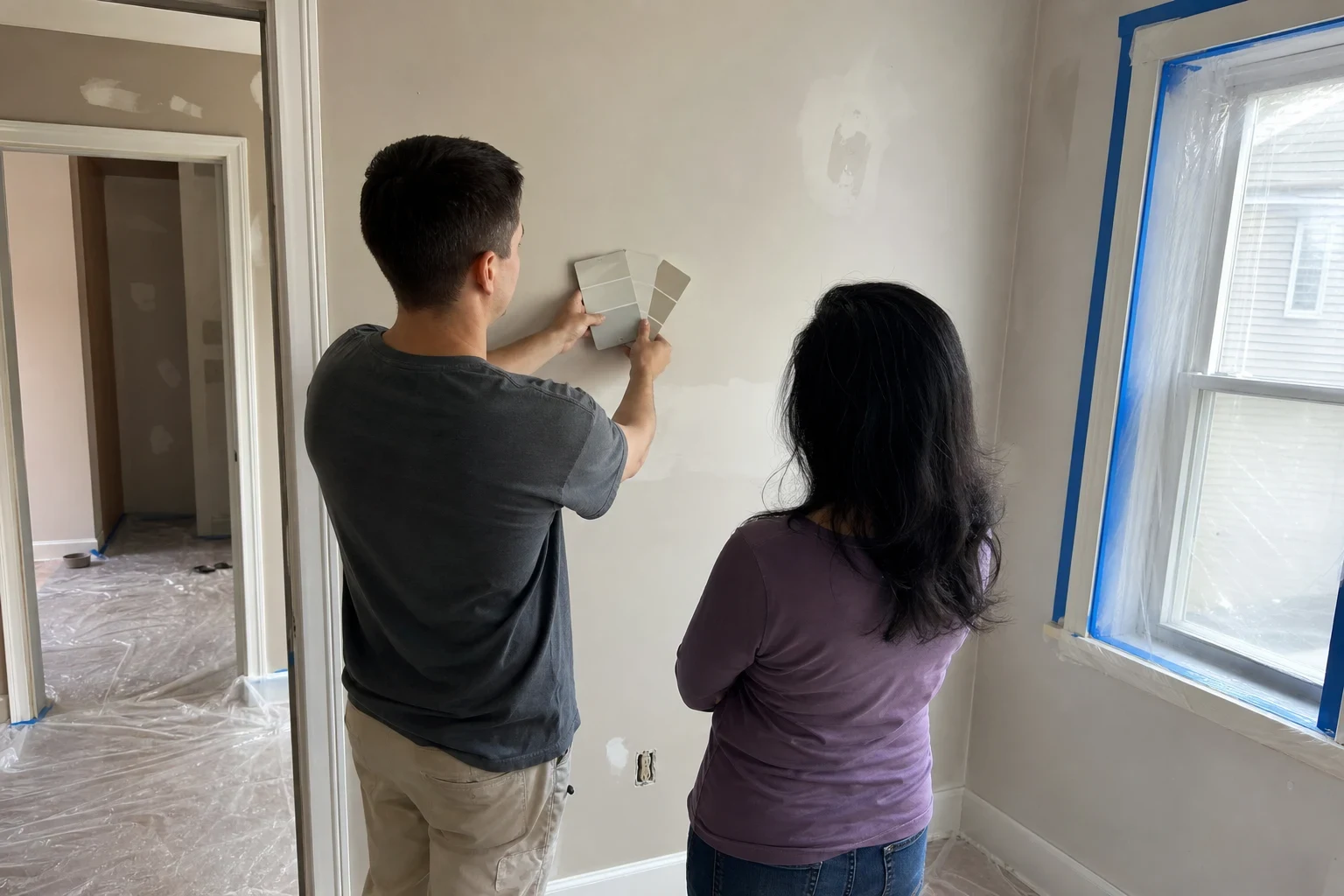
That is what we work to avoid. Feathering each coat wide, sanding by hand and matching the texture are what make a repair disappear. Paint plays a part too, so having your original color helps the final touch-up blend.
Can you repair old plaster walls, or do they need to come out?
Most plaster cracks and holes can be repaired in place. We secure loose areas, fill with compatible materials and finish to the surrounding surface. Replacement only makes sense when a large section has lost its grip on the lath.
How soon can I hang pictures or shelves on a repaired spot?
Light frames can usually go up once the paint has cured for a few days. For shelves or anything heavy, we will tell you how long to wait and whether to anchor into a stud instead of the patch.
Why do you follow up after the job is done?
Compound can settle slightly as it fully dries, and seasonal humidity can stress a fresh repair. Checking back lets us confirm the work is holding and answer any questions about caring for it.
How much dust should I expect?
Sanding does create fine dust, so we cover the room and contain the work area before we begin. When we finish, we vacuum surfaces and floors rather than leaving a film for you to wipe up.
Ready to Put Your Walls Right
Describe the cracks, holes or dents you are seeing and we will explain how we would repair them and what the visit involves. We serve Garfield and nearby towns including Lodi, Elmwood Park and Clifton.