ServicesSurface Preparation and Sanding
Surface Preparation and Sanding in Garfield, NJ
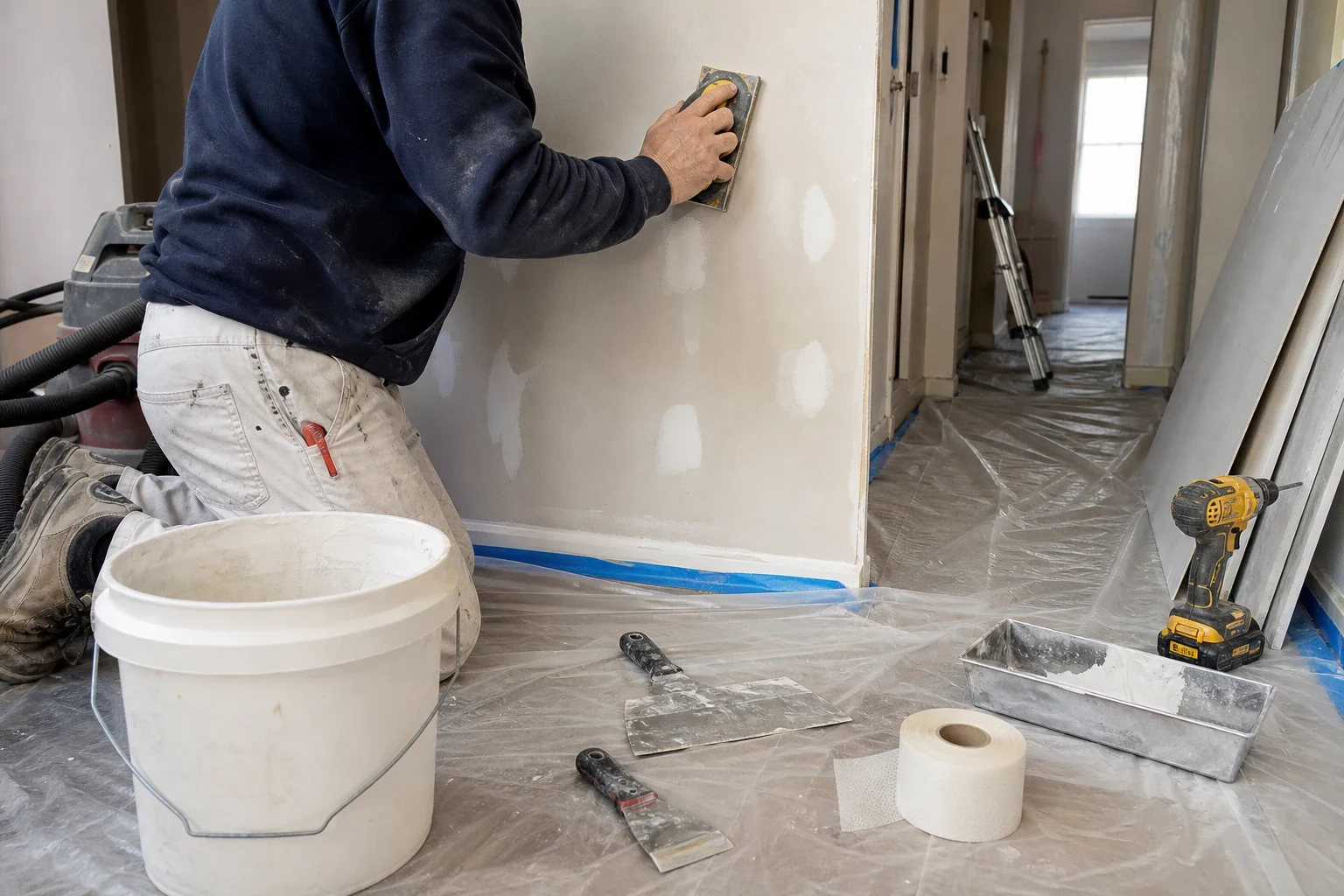
We get walls and ceilings ready for paint. Loose coatings are scraped back, dents and cracks filled, joints sanded flat, and the surface checked under a low light before it is primed. You get a smooth, even base, a clean room, and a check-in after the job.
Paint shows what is underneath it
A fresh coat of paint does not hide a rough wall. It highlights it. Old nail holes, ridged tape joints, peeling edges and sanding scratches all show through once the light hits them at an angle, especially with satin or semi-gloss sheens.
Surface preparation and sanding is the quiet work that comes before color. We repair what is loose, fill what is low, sand what is high and seal the repairs so the paint goes on evenly. It suits rooms you plan to repaint yourself, walls going to another painter, and drywall that has been patched in several places over the years.
Once the room is done, we stay in touch. We check back after the paint has had time to cure and explain what to watch for as the seasons change. In older Garfield homes, dry winter heat can open a hairline crack or two. We would rather tell you that plainly than have it surprise you.
What the prep work covers
Scraping and deglossing
We remove flaking or bubbled paint back to a sound edge. Glossy surfaces get a light scuff sanding so the next coat has something to grip.
Filling holes, dents and nail pops
Popped fasteners are reset and covered. Anchor holes, dings and gouges are filled in thin layers rather than one heavy pass, so they do not shrink back.
Skim coating rough areas
Torn paper facing, uneven old patches and patchy texture get a thin skim of joint compound to bring the area back to one flat plane.
Fine sanding with dust control
We sand with fine-grit paper and pole sanders, feathering every repair into the wall around it. Plastic sheeting, floor covers and a dust-collecting vacuum keep the work area clean.
Spot priming the repairs
Bare compound absorbs paint differently from painted drywall. A primer over every repair stops dull patches from showing through the finish coat.
Signs your walls need prep before paint
- Visible tape lines or ridges
- You can see joint seams when sunlight crosses the wall in the afternoon.
- Peeling or flaking paint
- Edges lift near windows, in bathrooms or along ceilings. New paint over a loose layer will peel with it.
- A wall full of old holes
- Shelving, TV mounts and picture hooks have left a scatter of holes and earlier patches that never quite matched.
- Dull spots after a past paint job
- Patches look flat or shiny compared to the rest of the wall. That usually means the repairs were never primed.
- Hairline cracks at corners
- Small cracks above doors and windows return each winter. They need to be opened, taped where needed and filled before painting.
How a prep day runs
- 1
Walkthrough and plan
We look at the walls with you, mark every flaw with painter's tape and explain what each one needs. You get a clear picture of the scope before any work starts.
- 2
Protect the room
Furniture is moved or covered, floors are protected and doorways are sealed with plastic where sanding dust could travel through your home.
- 3
Repair, fill and sand
Compound goes on in thin coats with drying time between them. Each repair is sanded smooth and checked with a work light held flat to the wall.
- 4
Prime, clean up and follow up
Repairs are primed, the room is vacuumed and wiped down, and we walk you through the result. Later we check back and talk through care, such as how long to wait before washing the walls.
What shapes the price of prep work
Every room starts from a different place, so we price the work after seeing it. Your estimate lists what we found and what we plan to do on each wall. Most of the cost is labor and drying time, not materials.
- Condition of the surface
- A few nail holes take far less time than peeling paint or a wall that needs a full skim coat.
- Room size and ceiling height
- Tall ceilings and stairwells need ladders or planks and take longer to sand and inspect.
- How many coats repairs need
- Deep gouges and wide cracks need several thin coats, each with its own drying time, which can stretch the job over more than one visit.
- Occupied rooms
- A furnished room takes more care to protect and clear than an empty one, and that time is part of the work.
Questions about surface preparation
- Will sanding spread dust through the rest of my house?
- Sanded joint compound makes a very fine powder, so we plan for it before the first sheet of sandpaper comes out. Doorways are closed off with plastic, floors and furniture are covered, and our sanders run with a vacuum that pulls dust off the wall as we work. At the end of the visit we vacuum the room and wipe down sills, ledges and trim.
- Do you paint the walls after the prep?
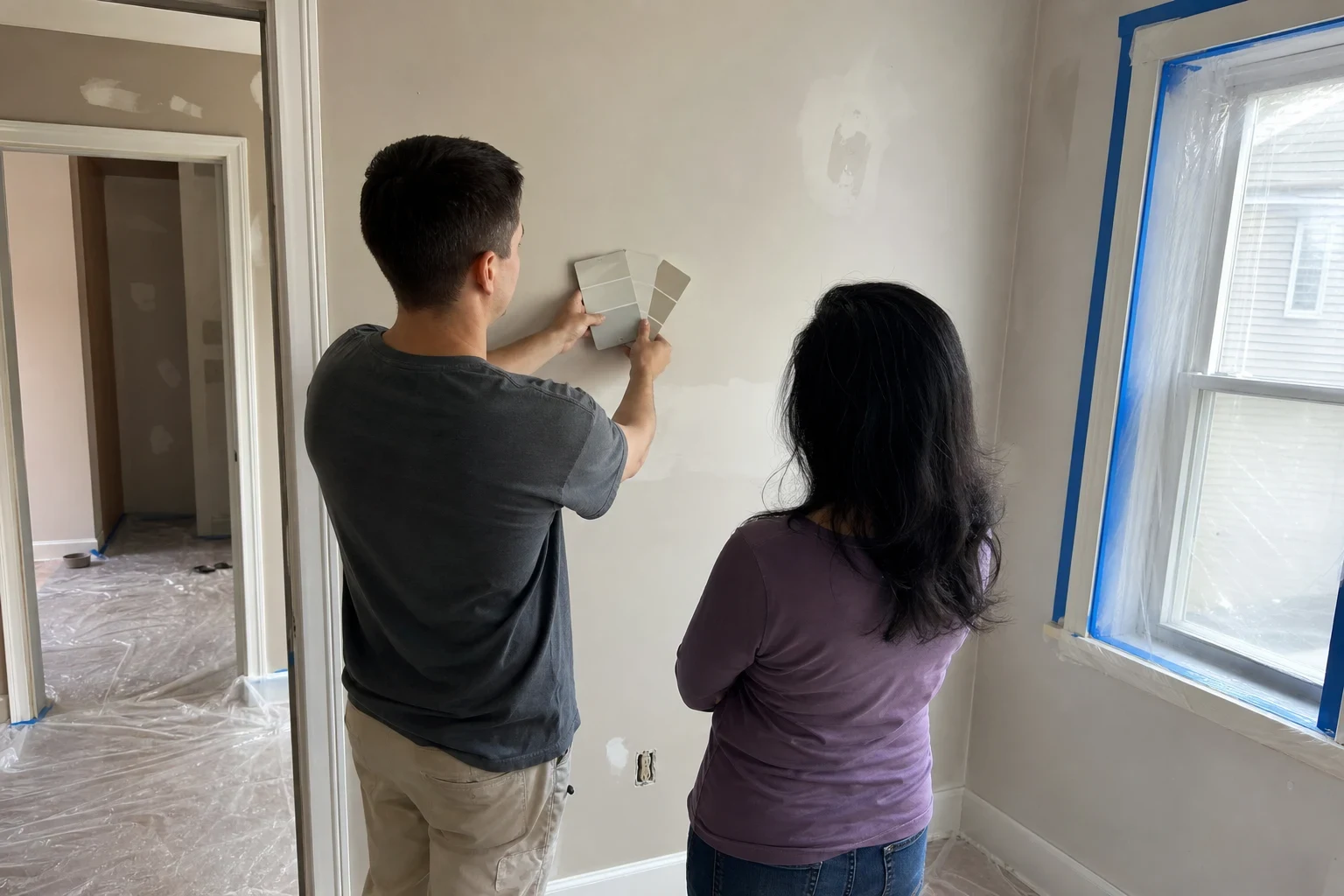
- We prime every repair so the walls are ready for color. Many customers paint themselves or bring in a painter. For small areas around a repair, we also offer paint touch-ups to blend the spot into the existing wall.
- My house is old. Is sanding the old paint a concern?
- It can be. Paint applied before 1978 may contain lead, so tell us the age of your home when you call. We will talk through testing before any sanding begins.
- How long until I can paint?
- Primer is usually dry the same day, but heavily filled areas may need longer in humid summer weather. We tell you when the walls are ready rather than guessing, and we check back to answer questions once you have painted.
- Can prep fix a cracked or damaged wall?
- Prep handles surface flaws such as holes, ridges and hairline cracks. If we find soft, water-stained or broken drywall, we explain it and point you to our drywall repair or ceiling repair work instead of covering it over.
Start with a smooth surface
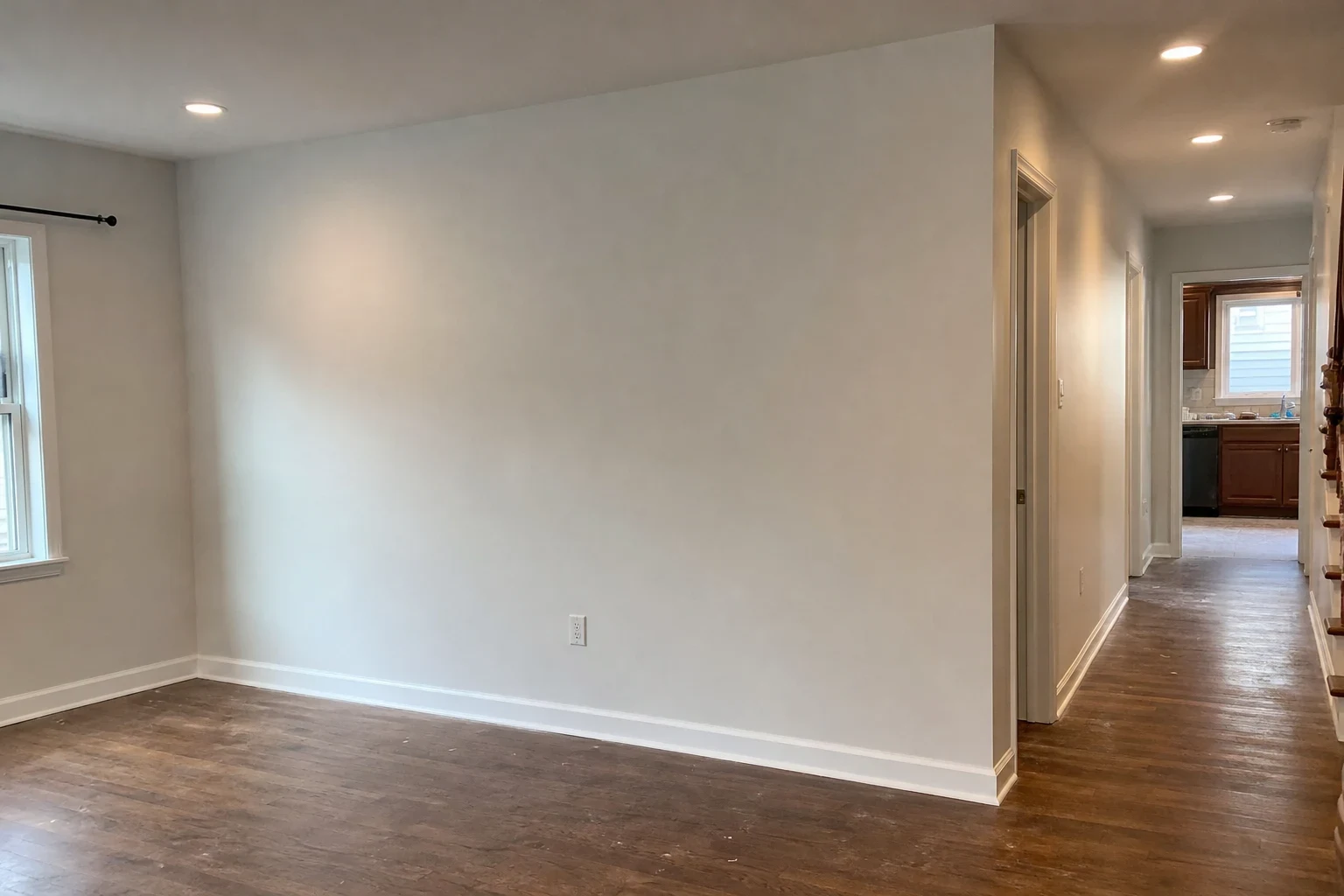
Tell us which rooms you are getting ready and what the walls look like now. We will explain what the prep involves and how we would approach it in your home.